
Free Shipping for all orders above $199

Hepatitis B
Buy Hepatitis B treatment online at Ivermectinkart. Find affordable antiviral medications for chronic Hepatitis B, liver health supplements, and trusted healthcare products that support viral load management and liver protection. Benefit from secure worldwide shipping, discreet packaging, and excellent customer support.
Read more ...

100% Authentic Medicines

Expert Support You Can Trust
Filter by
Category
Price
$51 - $330
Explore Care that, Fit your Needs
Explore curated care for every health need.

Expected delivery by
(358)
Aldactone 50mg Tablet (Spirono...
Quick Dispatch
Ship within 24 hr
Quality assured
100% Genuine
$
25
30% off

Expected delivery by
(578)
Alfacalcidol 0.25 mcg (ALPHA D...
Quick Dispatch
Ship within 24 hr
Quality assured
100% Genuine
$
17
30% off

Expected delivery by
(796)
Allegra (Fexofenadine)
Quick Dispatch
Ship within 24 hr
Quality assured
100% Genuine
$
82
30% off
Expected delivery by
(656)
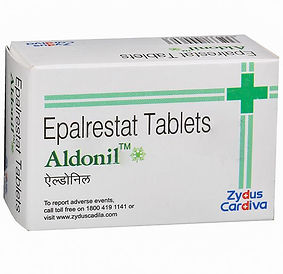
Aldonil Tablet (Epalrestat)
Quick Dispatch
Ship within 24 hr
Quality assured
100% Genuine
$
30
30% off

Expected delivery by
(351)
Alfoo 10 Tablet (Alfuzosin 10m...
Quick Dispatch
Ship within 24 hr
Quality assured
100% Genuine
$
25
30% off

Expected delivery by
(317)
Allegra Nasal Duo Spray (Fluti...
Quick Dispatch
Ship within 24 hr
Quality assured
100% Genuine
$
50
30% off

Expected delivery by
(624)
Alerid 10mg Tablet (Cetirizine...
Quick Dispatch
Ship within 24 hr
Quality assured
100% Genuine
$
65
30% off

Expected delivery by
(572)
Alfusin D Tablet (Alfuzosin 10...
Quick Dispatch
Ship within 24 hr
Quality assured
100% Genuine
$
60
30% off

Expected delivery by
(273)
ALLERGAN BOTOX 100 IU
Quick Dispatch
Ship within 24 hr
Quality assured
100% Genuine
$
320
30% off

Expected delivery by
(604)
Alfa GPC Pastilles (Alpha glyc...
Quick Dispatch
Ship within 24 hr
Quality assured
100% Genuine
$
99
30% off

Expected delivery by
(304)
Alkazip Syrup(Disodium Hydroge...
Quick Dispatch
Ship within 24 hr
Quality assured
100% Genuine
$
19
30% off

Expected delivery by
(486)
Allopurinol 150mg (Zyrik)
Quick Dispatch
Ship within 24 hr
Quality assured
100% Genuine
$
18
30% off
Explore our categories








Hepatitis B Treatment & Medicine Information
Hepatitis B is a liver infection caused by the hepatitis B virus (HBV). It can be acute, meaning short-term, or chronic, meaning the infection remains in the body for a longer period. Some people have few or no symptoms, so testing and appropriate medical follow-up are important.
At Ivermectinkart, this category is designed to help U.S. visitors understand hepatitis B treatment, commonly used medicines, prevention, testing, and ongoing care. If you are looking for hepatitis B medicines, review the available product information carefully and speak with a qualified healthcare professional before starting, stopping, or changing any prescription treatment.
For people with chronic hepatitis B, doctors may consider antiviral medicines when treatment is appropriate. However, not everyone with chronic hepatitis B needs medication, and treatment decisions depend on factors such as liver health, test results, infection status, and overall medical history.
Explore related care: Visitors can also browse our Liver & Kidney Care category for additional information related to liver health and prescription treatment.
Understanding Hepatitis B
Hepatitis B can affect people differently. An acute infection may resolve without becoming chronic, while some infections become long-term and may increase the risk of liver damage, cirrhosis, or liver cancer.
Many people with HBV do not experience noticeable symptoms. When symptoms occur, they may include tiredness, fever, loss of appetite, nausea, abdominal discomfort, dark urine, light or clay-colored stools, joint pain, or yellowing of the skin and eyes known as jaundice.
Because symptoms alone cannot determine whether someone has hepatitis B, appropriate blood testing is important. In the United States, CDC recommends hepatitis B screening for adults at least once in their lifetime, with additional testing for certain higher-risk groups.
For reliable background information, readers can review the NIH hepatitis B information and treatment guidance from the National Institute of Diabetes and Digestive and Kidney Diseases.
Hepatitis B Treatment Options
Treatment depends on whether the infection is acute or chronic.
For acute hepatitis B, there is currently no specific antiviral medicine routinely used to treat the acute infection. For people with mild illness, healthcare providers may recommend supportive care such as adequate fluids, nutrition, and rest. More serious cases may require medical or hospital care.
For chronic hepatitis B, several antiviral medicines are available. These medicines can suppress HBV replication and, for appropriate patients, help reduce the risk of serious liver complications. They are not considered a cure, and some people may require long-term treatment and monitoring.
If your healthcare provider has prescribed an HBV antiviral medicine, take it exactly as directed. Do not stop a prescribed hepatitis B medicine without discussing it with your healthcare professional.
Before using prescription medicines, over-the-counter products, vitamins, or herbal supplements, discuss them with your healthcare provider because some substances can affect the liver.
Hepatitis B Medicines at Ivermectinkart
The Hepatitis B category at Ivermectinkart is intended to make medicine information easier to understand while helping visitors identify relevant treatment categories.
Depending on availability and prescription requirements, hepatitis B treatment may involve antiviral medicines selected by a healthcare professional based on the patient's medical condition and laboratory results.
When reviewing a product, consider:
Active ingredient and strength
Intended medical use
Prescription requirements
Dosage instructions provided by your healthcare professional
Possible drug interactions
Contraindications and precautions
Storage requirements
Manufacturer information
Why Hepatitis B Monitoring Matters
Chronic hepatitis B can remain silent for years. Regular medical monitoring can help healthcare professionals identify liver problems and determine whether treatment or additional evaluation is appropriate. CDC recommends ongoing liver monitoring for people diagnosed with hepatitis B.
Monitoring may include blood tests and other assessments based on individual circumstances. Your healthcare professional may evaluate HBV-related laboratory results, liver function, and other factors before recommending treatment.
For evidence-based U.S. information, visitors can also review CDC hepatitis B treatment guidance before discussing treatment options with their healthcare provider.
Hepatitis B Prevention & Vaccination
Vaccination is the best way to prevent hepatitis B infection. CDC recommends hepatitis B vaccination for infants, children and adolescents who have not been vaccinated, adults ages 19–59, and adults age 60 or older with risk factors.
Vaccination does not treat an existing hepatitis B infection. If you believe you may have been exposed to HBV or have symptoms, contact a healthcare professional for appropriate testing and medical advice.
People diagnosed with hepatitis B should also discuss preventive healthcare with their clinician, including hepatitis A vaccination and appropriate testing for other viral infections when indicated.
Safe Use of Hepatitis B Medicines
Hepatitis B treatment should be personalized. Before purchasing or using a prescription medicine, confirm that the medicine and dosage are appropriate for your diagnosis.
Patients should:
Follow their healthcare provider's instructions.
Avoid changing the dose without medical advice.
Tell their healthcare provider about all medicines and supplements they use.
Discuss pregnancy, breastfeeding, kidney problems, liver problems, or other medical conditions when relevant.
Keep scheduled laboratory and liver-monitoring appointments.
Avoid stopping chronic hepatitis B treatment without medical guidance.
If you are currently taking hepatitis B medication, do not discontinue treatment on your own. Talk with your healthcare provider first.




Everything You May Want to Know!
Find helpful information about products, orders, delivery, and customer support.