
Free Shipping for all orders above $199

Enlarged prostate
Explore enlarged prostate (BPH) treatment options at Ivermectinkart. Learn about symptoms, prescription medicines, and prostate health management.
Read more ...

100% Authentic Medicines

Expert Support You Can Trust
Filter by
Category
Price
$5 - $1000
Explore Care that, Fit your Needs
Explore curated care for every health need.
Expected delivery by
(529)
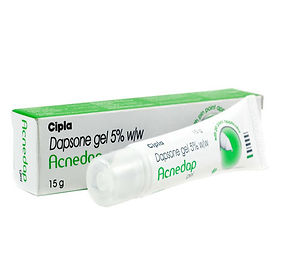
ACNEDAP 5% GEL (Dapsone)
Quick Dispatch
Ship within 24 hr
Quality assured
100% Genuine
$
35
30% off
Expected delivery by
(81)
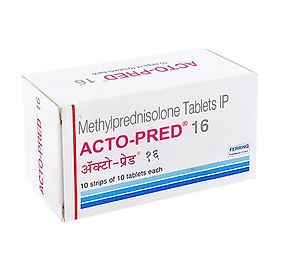
Acto Pred Tablets
Quick Dispatch
Ship within 24 hr
Quality assured
100% Genuine
$
15
30% off
Expected delivery by
(188)
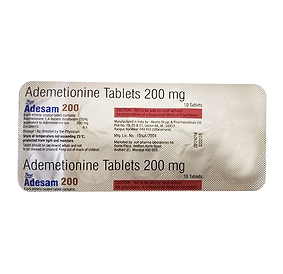
Adesam 200mg Tablet
Quick Dispatch
Ship within 24 hr
Quality assured
100% Genuine
$
40
30% off
Expected delivery by
(385)
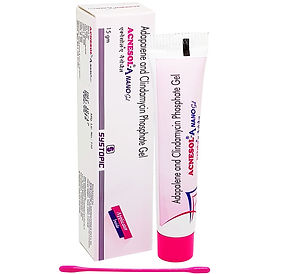
ACNESOL A NANO GEL (ADEPALENE ...
Quick Dispatch
Ship within 24 hr
Quality assured
100% Genuine
$
24
30% off

Expected delivery by
(442)
ADAFERIN 0.1% GEL (ADAPALENE G...
Quick Dispatch
Ship within 24 hr
Quality assured
100% Genuine
$
27
30% off
Expected delivery by
(590)
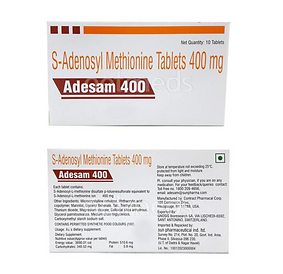
Adesam 400mg Tablet
Quick Dispatch
Ship within 24 hr
Quality assured
100% Genuine
$
60
30% off

Expected delivery by
(478)
ACNESOL GEL 1% (CLINDAMYCIN PH...
Quick Dispatch
Ship within 24 hr
Quality assured
100% Genuine
$
20
30% off
Expected delivery by
(370)
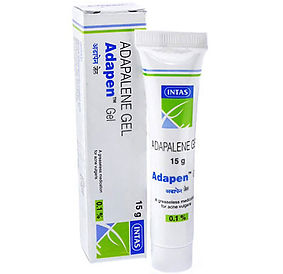
ADAPEN 0.1% GEL (ADAPALENE)
Quick Dispatch
Ship within 24 hr
Quality assured
100% Genuine
$
8
30% off

Expected delivery by
(68)
Admenta 10 Tablet
Quick Dispatch
Ship within 24 hr
Quality assured
100% Genuine
$
100
30% off

Expected delivery by
(294)
Acnewar Gel (Dapsone/Adapalene...
Quick Dispatch
Ship within 24 hr
Quality assured
100% Genuine
$
97
30% off

Expected delivery by
(570)
Adcapone Tablet (Entacapone)
Quick Dispatch
Ship within 24 hr
Quality assured
100% Genuine
$
31
30% off

Expected delivery by
(743)
Advanced Parasite Cleaner Kit
Quick Dispatch
Ship within 24 hr
Quality assured
100% Genuine
$
110
30% off
Explore our categories








Enlarged Prostate (BPH): Understanding Symptoms and Treatment Options
An enlarged prostate, medically known as benign prostatic hyperplasia (BPH), is a common condition in aging men. The prostate gland surrounds the urethra, the tube that carries urine out of the body.
When the prostate grows, it may place pressure on the urethra and make urination more difficult.
At Ivermectinkart, our goal is to help adults in the United States understand prostate health, explore general medication information, and make informed decisions about their care. The right approach depends on symptom severity, overall health, other medicines, and a qualified healthcare professional’s assessment.
What Is Benign Prostatic Hyperplasia (BPH)?
BPH is a noncancerous enlargement of the prostate gland. It is not prostate cancer, although the two conditions can sometimes cause similar urinary symptoms. An enlarged prostate does not automatically require medication or surgery. Some people with mild symptoms may be monitored, while others may benefit from lifestyle adjustments, prescription medicines, or medical procedures.
Common symptoms may include:
Frequent urination, especially at night
A weak or interrupted urine stream
Difficulty starting urination
A feeling that the bladder has not emptied completely
Urgency or difficulty postponing urination
Dribbling after urination
Symptoms can have other causes, including urinary tract infections and bladder conditions. A healthcare professional can help determine the underlying reason.
BPH Treatment Options and Medication Information
Treatment depends on how much symptoms affect daily life and whether complications are present. The following options are commonly considered in clinical care.
1. Alpha Blockers
Medicines such as tamsulosin and alfuzosin relax muscles around the prostate and bladder neck. This may improve urine flow and reduce some urinary symptoms. Possible side effects include dizziness, lightheadedness, and changes in ejaculation.
2. 5-Alpha Reductase Inhibitors
Medicines such as finasteride and dutasteride can gradually reduce prostate size in appropriate patients. They may take several months to provide noticeable benefits. Potential adverse effects include sexual side effects, and these medicines are not appropriate for everyone.
3. Combination Therapy
In some cases, a clinician may recommend an alpha blocker alongside a 5-alpha reductase inhibitor.
This approach may help people who have more bothersome symptoms and an enlarged prostate, but it can also increase the possibility of side effects.
4. Lifestyle and Symptom Management
Depending on individual needs, helpful measures may include limiting fluids close to bedtime, reducing caffeine and alcohol if they worsen symptoms, staying physically active, and reviewing medicines that may affect urination with a healthcare professional.
5. Minimally Invasive Procedures and Surgery
When symptoms are severe, medication is ineffective, or complications develop, procedures may be considered. The appropriate option depends on prostate size, health status, treatment goals, and individual preferences.
Explore Prostate Health Resources at Ivermectinkart
Finding reliable information is an important part of understanding prostate health. Explore our related Men’s Health and Bladder & Prostate Care categories for relevant health information, and visit Urinary Health resources to learn more about common urinary concerns.
When browsing medicines or treatment-related products on Ivermectinkart, review the active ingredient, strength, approved uses, warnings, and directions. Product availability does not establish that a medicine is appropriate for your condition. Prescription medicines should only be used under the supervision of a qualified healthcare professional and in accordance with applicable US requirements.
Trusted Resources for Enlarged Prostate Information
For evidence-based guidance, explore these authoritative resources:
The NIDDK guide to benign prostatic hyperplasia (BPH) explains symptoms, diagnosis, and treatment options.
The FDA drug information resources provide information about medicines, drug safety, and regulatory requirements.
The National Library of Medicine's MedlinePlus prostate enlargement overview offers accessible information about symptoms, testing, and care.
These resources can help readers understand treatment choices and prepare questions for a healthcare professional.
When Should You Seek Medical Care?
Arrange a medical evaluation if urinary symptoms are persistent, worsening, disrupting sleep, or interfering with daily activities.
Seek urgent medical attention if you cannot urinate at all. Fever or chills with painful or frequent urination, visible blood in the urine, or severe lower abdominal pain also warrant prompt medical assessment.
Early evaluation can help identify the cause of symptoms and reduce the risk of complications.







Everything You May Want to Know!
Find helpful information about products, orders, delivery, and customer support.