
Free Shipping for all orders above $199

Bacterial infection
Explore bacterial infection medicines and treatment information at Ivermectinkart. Learn about symptoms, antibiotic safety, and responsible treatment options.
Read more ...

100% Authentic Medicines

Expert Support You Can Trust
Filter by
Category
Price
$15 - $500
Explore Care that, Fit your Needs
Explore curated care for every health need.

Expected delivery by
(115)
6-MP (Mercaptopurine)
Quick Dispatch
Ship within 24 hr
Quality assured
100% Genuine
$
50
30% off
Expected delivery by
(670)
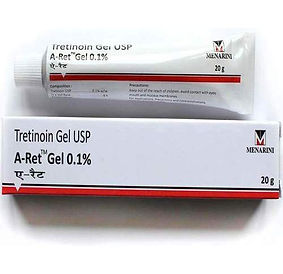
A Ret 0.1% Gel (Tretinoin)
Quick Dispatch
Ship within 24 hr
Quality assured
100% Genuine
$
14
30% off

Expected delivery by
(432)
Abamune Tablet (Abacavir)
Quick Dispatch
Ship within 24 hr
Quality assured
100% Genuine
$
122
30% off

Expected delivery by
(343)
8X SHAMPOO (CICLOPIROX/ZINC PY...
Quick Dispatch
Ship within 24 hr
Quality assured
100% Genuine
$
55
30% off

Expected delivery by
(220)
A RET HC CREAM (HYDROQUINONE, ...
Quick Dispatch
Ship within 24 hr
Quality assured
100% Genuine
$
28
30% off

Expected delivery by
(347)
Abec-L Tablet (Abacavir/Lamivu...
Quick Dispatch
Ship within 24 hr
Quality assured
100% Genuine
$
190
30% off

Expected delivery by
(405)
A Ret 0.025% Gel (Tretinoin)
Quick Dispatch
Ship within 24 hr
Quality assured
100% Genuine
$
8
30% off

Expected delivery by
(442)
AB Phylline Capsules (Acebroph...
Quick Dispatch
Ship within 24 hr
Quality assured
100% Genuine
$
180
30% off

Expected delivery by
(787)
Acamprol 333mg Tablet (Acampro...
Quick Dispatch
Ship within 24 hr
Quality assured
100% Genuine
$
50
30% off

Expected delivery by
(670)
A Ret 0.05% Gel (Tretinoin)
Quick Dispatch
Ship within 24 hr
Quality assured
100% Genuine
$
10
30% off

Expected delivery by
(266)
Abamune L (Abacavir/Lamivudine...
Quick Dispatch
Ship within 24 hr
Quality assured
100% Genuine
$
188
30% off

Expected delivery by
(744)
Acamptas Tablet (Acamprosate)
Quick Dispatch
Ship within 24 hr
Quality assured
100% Genuine
$
80
30% off
Explore our categories







Bacterial Infection Treatments: Understand Your Options
Bacterial infections can affect different parts of the body, including the throat, skin, urinary tract, lungs, and digestive system. The right treatment depends on the type of bacteria involved, the location and severity of the infection, and a person's overall health. At Ivermectinkart, our bacterial infection category is designed to help adults understand treatment options, learn about antibiotic safety, and find reliable medicine information.
Explore our category to learn about medicines used to treat bacterial infections, their intended uses, and the importance of following appropriate medical guidance. Antibiotics treat certain bacterial infections, but they do not work against viral illnesses such as the common cold or flu.
What Is a Bacterial Infection?
A bacterial infection occurs when harmful bacteria enter the body, multiply, and cause illness or tissue damage. Some bacteria can live harmlessly in or on the body, while others may cause an infection under certain conditions.
Common examples include some urinary tract infections (UTIs), strep throat, bacterial skin infections, and certain forms of pneumonia. Symptoms vary depending on the affected area and may include pain, redness, swelling, fever, discharge, or discomfort when urinating.
If you are unsure whether an illness is caused by bacteria, consult a qualified healthcare professional.
Symptoms alone cannot always identify the cause, and some infections require laboratory testing.
Common Types of Bacterial Infections
Skin and Soft Tissue Infections
Bacterial skin infections may cause redness, warmth, tenderness, swelling, or pus. Some mild conditions can worsen without appropriate care. Seek prompt medical advice if redness spreads quickly, pain becomes severe, or fever develops.
Urinary Tract Infections
Some UTIs are caused by bacteria entering the urinary system. Common symptoms include burning during urination, frequent urination, and lower abdominal discomfort. Fever, chills, back pain, or vomiting may indicate a more serious infection and require urgent evaluation.
Throat and Respiratory Infections
Certain cases of strep throat and bacterial pneumonia require antibiotics. However, many sore throats, coughs, and respiratory illnesses are viral. Appropriate assessment helps determine whether antibiotics are necessary.
Digestive System Infections
Some bacterial infections affect the stomach or intestines and may cause diarrhea, abdominal cramps, nausea, or fever. Treatment depends on the organism and severity. Hydration is important, and antibiotics are not appropriate for every case of infectious diarrhea.
Bacterial Infection Treatment Options
Treatment depends on the suspected or confirmed bacteria, the infection site, local resistance patterns, allergies, and other individual health factors.
Healthcare professionals may recommend a suitable prescription antibiotic when it is medically indicated. Different antibiotics work against different bacteria, so one medicine cannot treat every bacterial infection.
Browse the bacterial infection medicine category at Ivermectinkart to review available product information, active ingredients, labeled uses, and safety instructions. Before choosing a medicine, verify whether a prescription is required and discuss the appropriate treatment with a licensed healthcare professional.
Explore bacterial infection medicine information to understand available options and make informed decisions with your healthcare provider. Do not start antibiotics, share prescriptions, or use leftover medicines without professional guidance.
Antibiotics: Important Safety Information
Antibiotics are medicines used to treat certain bacterial infections. They may be available in different forms, including tablets, capsules, liquids, creams, or ointments, depending on the medicine and its approved uses.
To use antibiotics responsibly:
Take antibiotics only when appropriately prescribed or recommended by a qualified healthcare professional.
Follow the medicine's specific directions and prescribed duration.
Tell your healthcare professional about allergies, pregnancy, other medicines, and relevant health conditions.
Do not share antibiotics or save leftover doses for another illness.
Ask a pharmacist or prescriber about side effects, interactions, and missed doses.
Seek medical advice if symptoms worsen or do not improve as expected.
Using antibiotics when they are not needed can contribute to antimicrobial resistance, making some infections harder to treat in the future.
For additional guidance, read the CDC's information on antibiotic use and antibiotic resistance. You can also review the FDA's antibiotic resistance resources to learn why responsible antibiotic use matters.
How to Support Recovery and Prevent Infections
Alongside appropriate treatment, practical hygiene habits can help reduce the risk of some infections.
Wash your hands regularly with soap and water.
Clean and cover minor cuts and wounds appropriately.
Follow food-safety guidance and drink safe water.
Keep recommended vaccinations up to date.
Avoid sharing personal items that may spread infection.
Follow professional advice about wound care and infection prevention.
These measures support prevention but do not replace medical assessment or treatment when an infection develops.
Why Explore Bacterial Infection Information at Ivermectinkart?
Ivermectinkart aims to make medicine information easier to understand. Our bacterial infection category helps visitors explore relevant product details, learn about responsible medicine use, and understand when professional advice is important.
Before ordering any medicine, check its active ingredient, strength, approved indication, product labeling, prescription requirements, and applicable US regulations. Confirm that the medicine is appropriate for your needs with a qualified healthcare professional.
Explore the category, review product information, and make informed decisions about bacterial infection care. Medicine availability does not mean that a product is suitable for every person or every infection.








Everything You May Want to Know!
Find helpful information about products, orders, delivery, and customer support.