
Why Am I Always Bloated? Common Causes and Solutions

Written by Dr. Michael Brooks, Cardiovascular & Chronic Disease Content Specialist
Reviewed for medical accuracy under the Ivermectinkart Editorial Policy
Introduction
Have you ever finished a meal and felt as though your stomach suddenly became bigger, tighter, or unusually full? If you frequently wonder, "Why am I always bloated?", the answer may involve your eating habits, digestion, bowel movements, or sensitivity to certain foods. Bloating is a common digestive complaint that can make your abdomen feel swollen or uncomfortable, even when you have not eaten much. While occasional bloating is usually harmless, frequent symptoms may point to constipation, food intolerance, irritable bowel syndrome, or another digestive condition. Fortunately, understanding what triggers the discomfort can help you make practical changes without unnecessarily restricting your diet.
This article explores the common causes of persistent bloating, how to identify possible triggers, which remedies may help, and when your symptoms deserve medical attention.

What Is Bloating, and Why Does Your Stomach Feel Full?
Bloating is a sensation of pressure, fullness, or swelling in your abdomen. It commonly happens when gas builds up in the digestive tract, although changes in bowel movements, the way your intestines handle gas, and increased digestive sensitivity can also contribute.
You may experience bloating even when your stomach does not visibly appear larger.
Doctors distinguish between two related experiences:
Abdominal bloating: The uncomfortable feeling of fullness, pressure, or tightness inside your abdomen.
Abdominal distension: A noticeable increase in the size of your abdomen.
These symptoms frequently occur together, but they are not identical.
The National Institute of Diabetes and Digestive and Kidney Diseases' explanation of gas and bloating notes that only about half of people experiencing bloating also have visible abdominal distension.
How Does Gas Build Up in Your Digestive System?
Gas enters your digestive tract in two main ways.
First, you naturally swallow small amounts of air when eating, drinking, or talking. Some of this air leaves your stomach when you burp, while the rest may travel into your intestines.
Second, bacteria living in your large intestine break down certain food components that your body cannot fully digest.
This process produces gas as a normal part of digestion.
Problems may develop when gas accumulates, moves slowly through the intestines, or causes discomfort because your digestive system is unusually sensitive.
Why Can You Feel Bloated Without Having Excess Gas?
An important but often overlooked fact is that bloating does not always mean your body is producing too much gas.
Some people have normal amounts of intestinal gas but experience greater discomfort because their digestive nerves are more sensitive.
Others may have changes in how their abdominal muscles and diaphragm respond to normal digestive activity.
These mechanisms can explain why someone feels extremely full after an ordinary meal even when standard tests show no major abnormality.
What Are the Most Common Causes of Frequent Bloating?
Frequent bloating can result from everyday habits, such as eating too quickly, or digestive problems, such as constipation and food intolerance. Sometimes several factors contribute at once, making it difficult to identify one obvious cause.
Understanding the timing and pattern of your symptoms is often more useful than immediately eliminating foods.
1. Eating Too Quickly and Swallowing Air
When you eat quickly, talk continuously while chewing, or drink through a straw, you may swallow more air than usual.
Additional air can increase pressure and fullness in the digestive tract.
Chewing gum and drinking carbonated beverages may have similar effects.
If your bloating often begins during meals or immediately afterward, swallowed air could be contributing.
What may help: Slow down during meals, chew thoroughly, and consider reducing fizzy drinks if they make your symptoms worse.
2. Constipation and Slow Bowel Movements
Constipation is a common reason for persistent bloating.
When stool moves slowly through your large intestine, it can contribute to a feeling of fullness and abdominal discomfort. Gas may also be harder to pass comfortably.
You may be constipated if you:
Have fewer bowel movements than usual
Pass hard, dry, or lumpy stools
Strain frequently when using the toilet
Feel that your bowels have not emptied completely
Constipation can occur even when you have bowel movements regularly.
What may help: Adequate fluids, regular physical activity, and gradually increasing suitable dietary fibre may improve bowel habits. If constipation continues, a healthcare professional can recommend appropriate treatment.
3. Food Intolerance
Some people experience bloating because their digestive system has difficulty processing particular food components.
For example, lactose intolerance occurs when the small intestine produces insufficient lactase, the enzyme needed to digest lactose, a sugar found in milk and dairy products.
Undigested lactose travels into the large intestine, where bacteria break it down and produce gas.
Symptoms can include bloating, abdominal pain, diarrhoea, and excessive gas.
Other people may be sensitive to certain carbohydrates found in wheat, onions, fruits, legumes, and sweeteners.
Food intolerance differs from food allergy, which involves the immune system and may cause potentially serious reactions.
What may help: Keep track of symptoms after meals and discuss suspected intolerances with a clinician or dietitian before making major dietary changes.
4. Irritable Bowel Syndrome (IBS)
Irritable bowel syndrome is a long-term digestive condition that commonly causes recurring abdominal pain associated with changes in bowel movements.
Some people primarily experience constipation, while others experience diarrhoea or a mixture of both.
Bloating is also common.
IBS involves changes in communication between the gut and brain, intestinal movement, and sensitivity to normal digestive activity.
This means someone with IBS may experience considerable discomfort without having excessive intestinal gas.
What may help: Treatment may involve identifying food triggers, improving bowel habits, managing stress, and using medicines when clinically appropriate.
5. Changes in Gut Bacteria
Your intestines contain a large community of microorganisms called the gut microbiome.
These microorganisms help digest certain foods and produce substances involved in normal intestinal function.
Changes in the microbiome may influence gas production and digestive symptoms, but bloating alone does not prove that someone has an unhealthy bacterial balance.
A related condition, small intestinal bacterial overgrowth (SIBO), occurs when the number or type of bacteria in the small intestine becomes abnormal.
SIBO may cause bloating, diarrhoea, and sometimes weight loss, but it is not the explanation for every case of persistent bloating.
What may help: Seek a clinical assessment when symptoms suggest an underlying condition. Avoid assuming that probiotics, antibiotics, or commercial microbiome tests are necessary.
6. Indigestion and Other Digestive Conditions
Bloating may also occur alongside indigestion, sometimes called dyspepsia.
People with indigestion may feel full after eating a small amount, experience upper abdominal discomfort, or notice frequent belching.
Certain medicines, including some iron supplements, antibiotics, anti-inflammatory painkillers, and medications used for diabetes or weight management, can contribute to digestive symptoms.
Less commonly, persistent bloating may be associated with coeliac disease, delayed stomach emptying, or other medical conditions.
The pattern of symptoms and your medical history help determine whether further investigation is needed.
Common Causes of Bloating and How to Recognise Them
Possible cause | Typical pattern | What may help |
Swallowing excess air | Bloating or burping during or soon after meals | Eating slowly and reducing fizzy drinks |
Constipation | Bloating with hard stools or difficult bowel movements | Fluids, movement, and appropriate fibre |
Lactose intolerance | Gas or bloating after milk or other lactose-containing foods | Identifying lactose tolerance and suitable alternatives |
IBS | Recurrent abdominal pain with constipation, diarrhoea, or both | Individualised dietary and medical management |
Indigestion | Upper abdominal fullness, discomfort, or early fullness after meals | Smaller meals and assessment of persistent symptoms |
SIBO | Bloating sometimes accompanied by diarrhoea or weight loss | Medical evaluation and treatment when diagnosed |
Coeliac disease | Variable symptoms including bloating, diarrhoea, or nutrient deficiencies | Medical testing before changing to a gluten-free diet |
These patterns are clues rather than a diagnosis. Several conditions can produce similar symptoms.
Why Do You Feel Bloated After Eating, Even Small Meals?
Bloating after eating may occur because food temporarily stretches the stomach, certain carbohydrates produce gas during digestion, or your digestive system is unusually sensitive to normal fullness.
A small meal can still cause discomfort if your stomach or intestines respond strongly to stretching.
Does Eating a Large Meal Cause Bloating?
Large meals can increase the volume of food in your stomach and lead to temporary fullness.
Fat-rich meals may also slow stomach emptying in some people, prolonging the sensation.
If bloating occurs primarily after heavy meals, reducing portion size and eating more slowly may help.
However, large meals are not the only explanation. Persistent discomfort after small portions deserves attention.
Which Foods Are More Likely to Cause Bloating?
Some foods contain carbohydrates that are incompletely absorbed in the small intestine.
When these carbohydrates reach the large intestine, gut bacteria ferment them, meaning they break them down and produce gas.
Foods that may trigger symptoms in susceptible individuals include:
Beans, chickpeas, and lentils
Onions and garlic
Cabbage, cauliflower, and broccoli
Milk and certain dairy products
Apples, pears, and some other fruits
Products containing sugar alcohols such as sorbitol
Carbonated drinks
These are not unhealthy foods. Many provide valuable fibre, vitamins, minerals, or protein.
The goal is to identify what genuinely affects you rather than unnecessarily removing nutritious foods.
Can Drinking Water With Meals Cause Bloating?
Drinking an ordinary amount of water with meals is not a recognised cause of harmful gas buildup.
Water does not ferment in the intestines.
However, drinking large volumes quickly may temporarily increase the feeling of stomach fullness.
Fizzy water is different because it contains dissolved carbon dioxide, which can contribute to belching and bloating in some people.
Can Stress, Hormones, and Lifestyle Habits Cause Bloating?
Yes. Stress, hormonal changes, physical inactivity, and changes in daily routines can influence digestive symptoms. These factors may affect how quickly food moves through your digestive tract and how strongly you experience sensations from your stomach and intestines.
How Does Stress Affect Digestion?
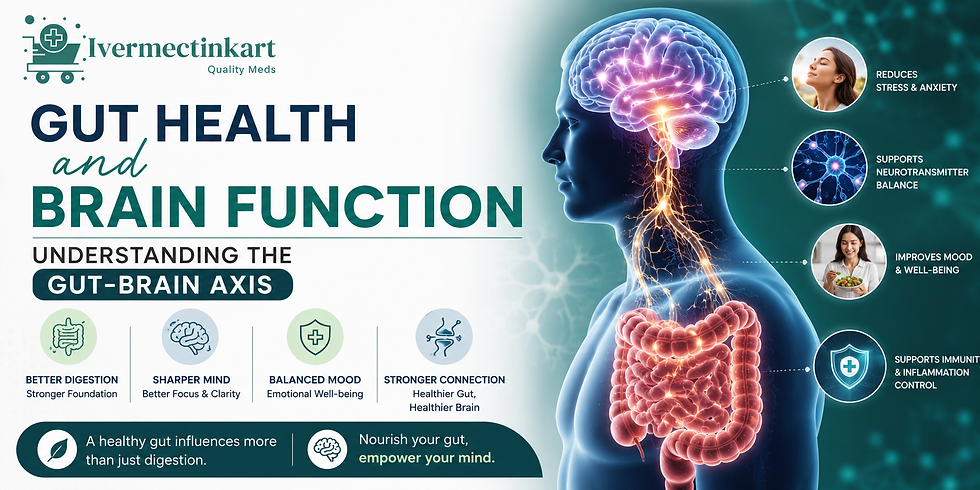
Your digestive system communicates continuously with your brain.
This relationship is sometimes called the gut-brain connection.
Stress and anxiety can influence intestinal movement and the way your brain processes digestive sensations.
For someone with an already sensitive digestive system, ordinary amounts of gas or fullness may become more uncomfortable during stressful periods.
Stress-related bloating is a real physical experience, not something a person is imagining.
However, you should not assume persistent symptoms are caused by stress without considering other possible explanations.
Why Does Bloating Sometimes Get Worse Before a Period?
Hormonal changes around menstruation can influence fluid retention, bowel habits, and digestive sensitivity.
Some people experience abdominal fullness before their period, followed by improvement once menstruation begins.
Others may notice changes in constipation or diarrhoea throughout the menstrual cycle.
If bloating follows a predictable monthly pattern, tracking symptoms alongside your cycle may help identify the relationship.
Bloating that is new, persistent, progressively worsening, or unrelated to your usual cycle should be evaluated rather than automatically attributed to hormones.
Does Sitting All Day Make Bloating Worse?
Regular movement supports normal bowel function.
Long periods of inactivity may contribute to constipation in some people, which can make bloating more noticeable.
A gentle walk after eating may help some individuals feel more comfortable, although it is not a guaranteed treatment.
You do not need strenuous exercise to begin improving daily movement habits.
How Can You Reduce Bloating Naturally and Safely?
The best approach to reducing bloating depends on what is causing it. Simple changes to meal habits, physical activity, hydration, and food choices can help many people, particularly when symptoms are mild and related to gas or constipation.
The aim is to find sustainable habits rather than follow a highly restrictive diet.
1. Eat Slowly and Choose Comfortable Portion Sizes
Try eating without rushing and allow enough time to chew your food properly.
If large meals consistently worsen symptoms, smaller, more regular meals may be more comfortable.
Avoid lying down immediately after eating if you also experience indigestion or acid reflux.
2. Identify Your Personal Food Triggers
A food and symptom diary can help you recognise patterns.
For approximately one to two weeks, record your meals, the timing of bloating, bowel movements, and any associated discomfort.
Look for repeated patterns rather than blaming a food after one uncomfortable meal.
For example, if bloating repeatedly follows milk consumption but does not occur after lactose-free milk, lactose may be worth discussing with your healthcare professional.
A diary can support a medical assessment, but it cannot diagnose a food intolerance by itself.
3. Increase Fibre Gradually if You Are Constipated
Fibre can help soften stool and support regular bowel movements.
Good sources include oats, fruits, vegetables, whole grains, and legumes.
However, increasing fibre too quickly may temporarily worsen gas and bloating.
Start with manageable changes and gradually build up your intake while drinking sufficient fluids.
Some people with IBS find certain fibres easier to tolerate than others. A dietitian can help tailor the approach.
4. Consider a Low-FODMAP Diet Only When Appropriate
FODMAPs are certain carbohydrates that may be poorly absorbed and fermented by gut bacteria.
For some people with IBS, temporarily reducing these carbohydrates can improve bloating and abdominal pain.
However, the low-FODMAP diet is not intended to be a permanent, highly restrictive eating plan.
It usually involves a short restriction phase, followed by careful reintroduction of foods to identify individual triggers.
The American College of Gastroenterology's guidance on the low-FODMAP diet explains that the approach can benefit some people with IBS, but it does not work for everyone and is best undertaken with appropriate professional support.
People at risk of poor nutrition or with a history of eating disorders should be especially cautious about restrictive diets.
5. Move Regularly and Support Healthy Bowel Habits
Walking, swimming, cycling, and other suitable physical activities may help support normal bowel movements.
Try to maintain a regular toilet routine, particularly if constipation is contributing to symptoms.
Avoid repeatedly ignoring the urge to pass stool.
Adequate sleep and manageable daily routines may also support digestive comfort, although they cannot replace treatment for an underlying medical condition.
6. Be Careful With Supplements and Over-the-Counter Remedies
Products such as simethicone are sometimes used for gas-related discomfort, but they may not relieve every type of bloating.
Lactase products can help certain people with lactose intolerance digest lactose-containing foods.
Probiotic supplements have mixed evidence for bloating, and benefits depend on the specific product and condition.
Do not assume a product marketed for gut cleansing, detoxification, or microbiome repair has proven benefits.
If you need symptom-relief products frequently, discuss the underlying cause with a healthcare professional.
Practical Dos and Don'ts for Managing Frequent Bloating
Do | Don't |
Eat slowly and chew food thoroughly | Rush meals or regularly swallow excess air |
Keep track of recurring food triggers | Eliminate entire food groups without a clear reason |
Drink enough fluids throughout the day | Rely on fizzy drinks if they worsen symptoms |
Increase fibre gradually when appropriate | Add large amounts of fibre suddenly |
Stay physically active | Ignore constipation or persistent bowel changes |
Seek medical advice for recurring symptoms | Assume all bloating is harmless gas |
Use medicines and supplements with appropriate guidance | Depend on unproven detox or gut-cleansing products |
Persistent bloating is not always caused by eating too much or producing excessive gas. Constipation, digestive sensitivity, food intolerance, and changes in how the intestines move can all contribute.
Identifying the pattern of your symptoms is often more useful than following a restrictive diet or repeatedly trying new supplements.
When Should You See a Doctor About Persistent Bloating?
Occasional bloating is common, but symptoms that occur regularly, do not improve, or are accompanied by other health changes deserve medical assessment.
The NHS guidance on bloating and warning symptoms recommends seeking medical advice for recurring bloating, symptoms that persist despite dietary changes, and bloating accompanied by unexplained weight loss or blood in the stool.
Arrange a medical appointment if you experience:
Bloating that is persistent, frequent, or progressively worsening
Unexplained weight loss
Blood in your stool or black, tarry stools
Persistent constipation or diarrhoea
Repeated vomiting
Loss of appetite or feeling full after very small meals
A noticeable abdominal lump or persistent swelling
New bowel symptoms, particularly in later adulthood
People with ovaries should also seek assessment for new, frequent, or persistent bloating, particularly when accompanied by pelvic pain, early fullness, or urinary frequency. Although these symptoms commonly have non-cancerous causes, they can occasionally be associated with ovarian cancer.
Seek emergency medical care if bloating occurs with severe sudden abdominal pain, vomiting blood, fainting, or an inability to pass stool or gas accompanied by significant pain or vomiting.
How Will a Doctor Identify the Cause?
Your healthcare professional will usually begin by asking about your symptoms and examining your abdomen.
They may ask when bloating began, whether it occurs after meals, how often you have bowel movements, and whether you take medications that affect digestion.
Depending on the findings, further investigation may include blood tests, testing for coeliac disease, stool tests, or imaging.
Breath tests may sometimes help assess certain carbohydrate intolerances or suspected bacterial overgrowth.
Not everyone needs extensive testing. The choice depends on symptoms, examination findings, medical history, and any warning signs.
Conclusion
If you keep asking, "Why am I always bloated?", remember that the answer is not necessarily excessive gas or overeating. Constipation, food intolerance, IBS, digestive sensitivity, and everyday eating habits can all contribute to recurring discomfort. Identifying patterns, eating slowly, staying active, and making gradual dietary adjustments may help you feel more comfortable.
However, persistent bloating should not simply be ignored, especially if it comes with unexplained weight loss, bowel changes, or worsening pain. This information is educational and does not replace medical advice. If symptoms continue, speak with your doctor or a qualified dietitian to identify the cause and choose appropriate treatment.
Frequently Asked Questions
1: Why am I bloated all the time even when I eat healthy foods?
Healthy foods such as beans, vegetables, and whole grains contain carbohydrates and fibre that can produce gas during digestion. Constipation or digestive sensitivity may also contribute. Identify recurring triggers without unnecessarily eliminating nutritious foods.
2: Why does my stomach look flat in the morning but bloated at night?
Your abdomen may become more distended as you eat, drink, and digest food throughout the day. Gas, bowel contents, and digestive sensitivity can contribute. If swelling is persistent, painful, or progressively worsening, seek medical assessment.
3: Can you feel bloated even if you are not constipated?
Yes. Bloating can occur without constipation because of swallowed air, food intolerance, IBS, or increased sensitivity to normal digestive sensations. Regular bowel movements do not rule out every digestive condition, so ongoing symptoms may still need assessment.
4: Does drinking more water help reduce bloating?
Drinking adequate water may help if constipation contributes to your bloating. However, extra water does not directly eliminate intestinal gas or treat every cause of bloating. Avoid excessive fluid intake and focus on your usual hydration needs.
5: Are probiotics good for reducing stomach bloating?
Some probiotics may help certain digestive symptoms, but results vary by strain, product, and underlying condition. They are not a universal treatment for bloating. Ask a healthcare professional before using supplements, especially if you have significant medical conditions.
6: When should I worry about bloating every day?
Daily bloating warrants medical advice if it persists, worsens, or interferes with normal activities. Unexplained weight loss, bleeding, persistent vomiting, pelvic symptoms, or changes in bowel habits are additional warning signs. Sudden severe abdominal pain requires urgent assessment.


Comments