
Recognizing the Early Warning Signs of Heart Disease

Updated: Jul 24
Updated: 25/05/2026| ⏱ 5 min read
Expert article by Dr. Sophia Mitchell, Lead Pharmaceutical Content Specialist
Medically reviewed by Ivermectinkart pharmacy on 25/05/2026
Heart disease remains one of the leading causes of death worldwide. Many people ignore early warning signs, assuming symptoms are minor or temporary. However, recognizing heart disease symptoms early can save your life.
At Ivermectinkart, we believe awareness is the first step toward better heart health. Let’s explore the top 10 early warning signs of heart disease you should never ignore.

1. Chest Pain or Discomfort
Chest pain is one of the most common signs of heart problems. The pain may feel like pressure, squeezing, fullness, or burning in the center of the chest.
If you’re wondering how to know if chest pain is heart-related, pay attention to:
Pain spreading to arms, neck, jaw, or back
Pain triggered by exertion
Tightness lasting more than a few minutes
Never ignore persistent chest pain, as it could be an early symptom of a heart attack.
2. Shortness of Breath
Shortness of breath during mild activity or even at rest may indicate cardiovascular disease. If you feel breathless while climbing stairs or lying flat, your heart may not be pumping efficiently.
This is one of the silent symptoms of heart disease that many people overlook.
3. Fatigue and Weakness
Extreme fatigue without a clear reason can be one of the early warning signs of heart disease in both men and women. When your heart struggles to pump blood properly, your muscles and tissues don’t receive enough oxygen.
Persistent tiredness combined with other heart symptoms should not be ignored.
4. Irregular Heartbeat (Arrhythmia)
Feeling like your heart is racing, fluttering, or skipping beats may signal underlying heart risk. Occasional palpitations are common, but frequent irregular heartbeats require medical attention. Arrhythmia may increase the risk of stroke or heart failure.
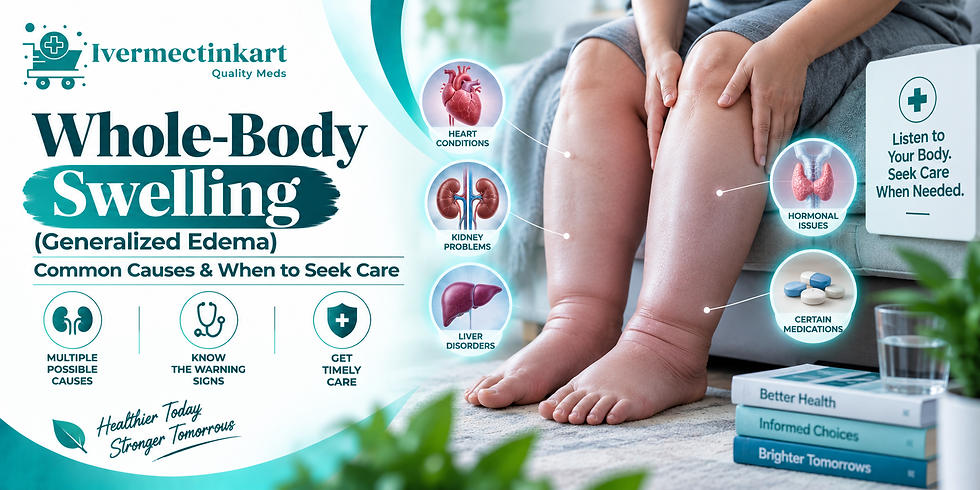
5. Swelling in Legs, Ankles, or Feet
Fluid retention in the lower limbs may be a sign your heart is not healthy. When the heart cannot pump efficiently, blood backs up in veins, causing swelling. This symptom often appears in people with heart failure or blocked arteries.
6. Dizziness or Lightheadedness
Sudden dizziness or fainting could indicate reduced blood flow to the brain. This may happen due to abnormal heart rhythms or low blood pressure. If dizziness is combined with chest pain or shortness of breath, seek immediate medical help.
7. Pain in Neck, Jaw, Shoulder, or Arm
Heart attack warning signs are not always limited to the chest. Pain may radiate to:
Left arm
Both arms
Jaw
Back
Shoulders
Women are more likely to experience these atypical signs of heart disease before a heart attack.
8. Nausea or Indigestion
Some people mistake heart symptoms for digestive problems. Persistent nausea, heartburn, or stomach discomfort could be symptoms of blocked arteries. If indigestion occurs along with sweating and chest discomfort, it may signal a heart attack.
9. Cold Sweats
Breaking out in a cold sweat without physical exertion can indicate cardiovascular health problems. Sudden sweating accompanied by weakness and chest pressure should be treated as an emergency.
10. Persistent Cough
A long-lasting cough producing white or pink mucus may indicate fluid buildup in the lungs, a possible sign of heart failure. Although not as common, it remains one of the early warning signs of heart disease that should not be ignored.
Risk Factors of Heart Disease
Understanding heart risk factors can help prevent complications. Common risk factors include:
High blood pressure
High cholesterol
Diabetes
Smoking
Obesity
Sedentary lifestyle
Family history
Regular heart checkups and maintaining cardiovascular health are essential for prevention.
How to Detect Heart Disease Early
If you are concerned about signs your heart is not healthy, consult a healthcare provider for:
Blood pressure check
Cholesterol test
ECG
Stress test
Echocardiogram
Early diagnosis can significantly reduce complications.
Prevent Heart Disease Naturally
You can improve heart health by:
Eating a balanced diet
Exercising regularly
Avoiding smoking
Managing stress
Maintaining a healthy weight
Monitoring blood sugar and cholesterol
Small lifestyle changes can greatly reduce the warning signs of heart disease before a heart attack occurs.
When to See a Doctor for Chest Pain
Seek immediate medical attention if you experience:
Severe chest pain lasting more than 5 minutes
Chest pain with sweating
Pain spreading to arm or jaw
Shortness of breath
Sudden dizziness
Early treatment can prevent life-threatening complications.
Why Awareness Matters
Many heart disease symptoms develop gradually. Ignoring them increases the risk of heart attack, stroke, and heart failure. By staying informed and proactive, you can protect your heart risk and overall health.
At Ivermectinkart, we encourage preventive care and timely medical consultation to ensure better cardiovascular health.
Final Thoughts
Recognizing the early warning signs of heart disease can save your life. Don’t ignore persistent chest pain, unusual fatigue, or shortness of breath. Early diagnosis and lifestyle modifications play a crucial role in preventing serious complications.
Prioritize your heart health today. Stay informed, stay proactive, and take the right steps toward better cardiovascular health with guidance from Ivermectinkart.
FAQs
1. What are the earliest signs of heart disease?
Common early signs include chest pain, shortness of breath, fatigue, irregular heartbeat, and swelling in legs.
2. Can heart disease develop without symptoms?
Yes, some people experience silent symptoms of heart disease, especially in early stages.
3. How to know if chest pain is serious?
If chest pain lasts more than a few minutes, spreads to other areas, or occurs with sweating and breathlessness, seek medical care immediately.
4. Are heart disease symptoms different in women?
Yes, women may experience nausea, jaw pain, fatigue, and back pain instead of classic chest pain symptoms.
5. How can I reduce my heart risk?
Maintain a healthy lifestyle, exercise regularly, avoid smoking, manage stress, and schedule regular heart checkups.
6. What are symptoms of blocked arteries?
Chest pain, shortness of breath, fatigue, and pain in arms or jaw may indicate blocked arteries.
7. When should I see a doctor?
If you experience persistent heart symptoms or multiple warning signs of heart disease before a heart attack, consult a doctor immediately.


Comments