
Colon Care 101: Why Digestive Health Matters for Americans

Updated: Sep 17
Written by Dr. Charles Drew, Lead Pharmaceutical Content Specialist & Clinical Drug Information Reviewer
Reviewed for medical accuracy under the Ivermectinkart Editorial Policy
Your colon does far more than simply move waste out of your body. As part of the large intestine, it absorbs water and helps turn digestive waste into stool, while the wider digestive system works with trillions of microorganisms that make up the gut microbiome. Colon care matters because changes in bowel habits, diet, activity, medications, and age can all affect how comfortably and regularly your digestive system works. For Americans approaching middle age and beyond, colon health also includes knowing when everyday digestive symptoms deserve medical attention and when colorectal cancer screening should begin. The encouraging part is that practical habits such as eating fiber-rich foods, staying appropriately hydrated, being physically active, and following recommended screening can support digestive health. This guide explains what your colon does, common signs that something may be wrong, everyday habits that support it, and when you should talk with a health care professional.
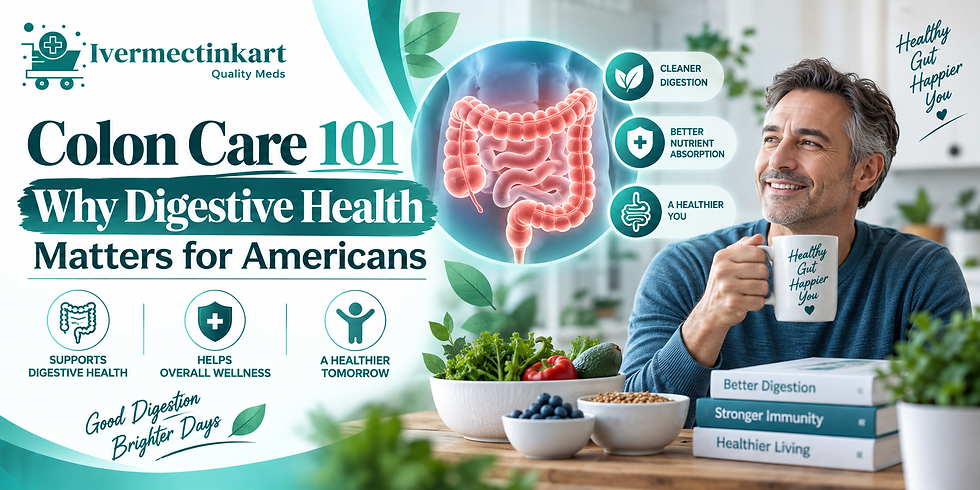
What Does Your Colon Actually Do?
Your colon is part of the large intestine, near the end of the gastrointestinal, or GI, tract. Its major jobs include absorbing water and helping transform what remains after digestion into stool so it can eventually leave the body.
Digestion itself begins much earlier. Food travels through the mouth, esophagus, stomach, and small intestine, where much of the nutrient breakdown and absorption takes place. Material that remains then moves into the large intestine.
According to the National Institute of Diabetes and Digestive and Kidney Diseases overview of the digestive system , bacteria in the GI tract—often called the gut microbiome—also participate in digestion. Your nervous system, hormones, circulation, digestive organs, and gut bacteria work together rather than functioning as separate systems.
Colon health and bowel movements
Bowel habits can tell you something about digestive function, but there is no single bowel movement schedule that is normal for everyone. Some healthy people go more often than others.
What matters is noticing a meaningful change from your usual pattern, especially when it persists or occurs with pain, bleeding, unexplained weight loss, or other concerning symptoms.
Constipation, for example, can involve fewer than three bowel movements a week, hard or dry stools, difficulty passing stool, or feeling that stool has not completely passed. NIDDK notes that bowel patterns vary between individuals.
Everyday bowel changes and what they may mean
Digestive change | Possible context | What to consider |
Occasional constipation | Diet, low fluid intake, reduced activity, routine changes, or medicines may contribute | Review recent changes and discuss persistent symptoms with a clinician |
Hard, dry stools | May occur with constipation | Gradually increasing fiber and adequate fluids may help some people |
New persistent bowel change | Has many possible causes | Arrange medical evaluation rather than assuming the cause |
Blood in stool or rectal bleeding | Can have different causes and requires attention | Seek medical advice promptly |
Ongoing abdominal pain | May signal more than a temporary digestive problem | Medical evaluation is appropriate |
Unexplained weight loss with bowel symptoms | Needs investigation | Contact a health care professional |
Why Is Colon Care Important for Americans?
Colon care matters because digestive problems are common, and some serious colorectal conditions may initially cause few or no obvious symptoms. Good colon care therefore combines everyday digestive habits with appropriate medical evaluation and preventive screening.
Constipation alone affects about 16 out of every 100 U.S. adults and roughly 33 out of 100 adults age 60 and older, according to NIDDK estimates based on earlier published evidence. Constipation is not itself a disease and can have many causes, ranging from diet and inactivity to medications and medical conditions.
Colorectal cancer adds another important reason to pay attention to the colon. The American Cancer Society estimates approximately 108,860 new colon cancer cases and 49,990 new rectal cancer cases in the United States in 2026.
Screening is particularly important because colorectal cancer may develop from abnormal growths called polyps. Some polyps can eventually become cancer, and screening may find them early enough for removal.
Colon care is not about trying to achieve a “perfect” bowel movement every day. It is about supporting normal digestive function, recognizing persistent changes, and completing age- and risk-appropriate colorectal cancer screening.
How Can You Support Colon Health Every Day?
For most adults, healthy colon habits do not require a complicated cleanse, restrictive diet, or elaborate supplement routine. A practical starting point is a balanced diet with adequate fiber, appropriate fluid intake, regular physical activity, and attention to persistent changes in bowel habits.
Eat enough fiber
Fiber adds bulk to stool and can help make bowel movements easier to pass. NIDDK states that adults generally need about 22 to 34 grams of fiber per day depending on age and sex.
Useful food sources include:
Beans, lentils, chickpeas, and other legumes
Oatmeal and whole-grain breads and cereals
Berries, pears, oranges, and apples with the skin
Broccoli, carrots, peas, and leafy vegetables
Nuts and seeds
If your current diet is low in fiber, increasing it gradually may be more comfortable than making a sudden large change. NIDDK specifically recommends adding fiber little by little so your body has time to adjust.
Drink enough fluids for your needs
Fluids help fiber work effectively and can make stools softer and easier to pass. Your individual fluid needs depend on factors such as body size, health, activity level, and environment, so a single daily amount is not appropriate for everyone.
People who have been told to restrict fluids because of heart, kidney, or another medical condition should follow their clinician's advice rather than deliberately increasing fluid intake.
Keep moving
Regular physical activity can help relieve constipation in some people and offers broader health benefits. You do not need to treat exercise as a special “colon detox.” Consistent movement as part of an overall healthy lifestyle is the more useful goal.
Practical dos and don’ts for everyday colon care
Do | Don’t |
Build meals around vegetables, fruit, legumes, and whole grains | Depend mainly on low-fiber processed foods |
Increase fiber gradually | Suddenly add very large amounts of fiber |
Drink appropriate amounts of fluid | Assume everyone needs the same amount of water |
Stay regularly physically active | Expect inactivity to have no effect on bowel habits |
Notice persistent changes in your normal bowel pattern | Ignore ongoing bleeding, pain, or unexplained weight loss |
Discuss colorectal screening when appropriate | Wait for symptoms before asking about routine screening |
What Can Disrupt Healthy Bowel Function?
Diet is only one part of the picture. Constipation and other bowel changes can be influenced by daily routines, aging, travel, physical activity, underlying medical conditions, and medications.
For example, NIDDK lists iron supplements, certain antacids, some antidepressants, calcium channel blockers, diuretics, anticonvulsants, and narcotic pain medicines among products that can contribute to constipation in some people.
That does not mean you should stop a prescribed medicine because your bowel habits changed. Instead, tell your doctor or pharmacist what you are experiencing. They can determine whether a medication could be contributing and whether any adjustment is appropriate.
Are colon cleanses necessary for routine colon care?
Routine colon cleansing is not necessary for the digestive system to perform its normal job. The colon naturally processes and moves digestive waste, so supporting normal bowel function is different from trying to “detox” or flush the colon.
A bowel preparation prescribed before a colonoscopy is different. It serves a specific medical purpose: clearing the colon so the clinician can examine its lining properly.
Why Does Colorectal Cancer Screening Matter?
Colorectal cancer screening can identify cancer before symptoms develop and can also detect certain precancerous polyps that may be removed before they progress. That makes screening an important part of preventive colon care rather than something reserved for people who already feel sick.
Current CDC colorectal cancer screening recommendations state that adults ages 45 through 75 should be screened. For adults ages 76 through 85, screening decisions should be individualized.
Screening does not always mean colonoscopy. Several screening approaches are available, including certain stool-based tests that can be completed at home and visual examinations such as colonoscopy. The appropriate option and frequency depend on the test and your individual risk.
Who may need earlier or different screening?
Age 45 is a general starting point for average-risk adults, not a universal rule for everyone. People at increased risk may need a different screening plan.
For example, CDC notes that people with inflammatory bowel disease such as Crohn's disease or ulcerative colitis may need screening earlier or more frequently. Personal or family histories of colorectal cancer or certain polyps can also affect screening recommendations.
If you have risk factors, discuss them with your health care professional rather than waiting until your 45th birthday to raise the subject.
How Are Colon Health and Long-Term Lifestyle Connected?
Colon health is influenced by more than bathroom habits. Diet, physical activity, tobacco use, alcohol consumption, body weight, age, family history, and certain medical conditions can all matter when considering digestive health and colorectal cancer risk.
For colorectal cancer specifically, the CDC guidance on reducing colorectal cancer risk recommends regular screening and identifies physical activity, maintaining a healthy weight, avoiding tobacco, and limiting or avoiding alcohol as risk-reduction measures.
These behaviors cannot guarantee that colorectal cancer or another digestive condition will never occur.
Genetics, age, inflammatory bowel disease, and other factors may be outside your control. Healthy habits are best understood as ways to support overall health and modify some risks—not as guarantees of disease prevention.
When Should You Seek Medical Care for Digestive Symptoms?
Occasional digestive changes can happen, but persistent or severe symptoms deserve attention. Do not assume that blood in the stool, continuing abdominal pain, or unexplained weight loss is simply a normal consequence of aging or diet.
NIDDK advises seeking medical attention for constipation accompanied by rectal bleeding or blood in the stool, constant abdominal pain, inability to pass gas, vomiting, fever, lower back pain, or unexplained weight loss.
You should also contact a health care professional when constipation does not improve with self-care or when a new bowel change continues without a clear explanation.
Symptoms do not tell you the cause by themselves. Hemorrhoids, medications, functional digestive disorders, inflammation, infections, and more serious conditions can sometimes produce overlapping symptoms. Medical evaluation is the appropriate way to determine what is happening.
Conclusion
Good colon care is less about special products and more about consistent habits and appropriate preventive care. Fiber-rich foods, suitable fluid intake, regular physical activity, and awareness of your usual bowel pattern can support digestive function, while colorectal cancer screening beginning at the recommended age can detect important problems before symptoms appear.
Pay attention when your body behaves differently, particularly if changes persist or involve bleeding, significant pain, vomiting, or unexplained weight loss. This guide provides general health information and cannot diagnose or treat an individual condition. Talk with your health care professional about persistent digestive symptoms, personal risk factors, and the colorectal screening option appropriate for you.
Frequently Asked Questions
1. What is the best way to keep your colon healthy?
Focus on sustainable habits rather than cleanses. A fiber-rich diet, appropriate hydration, regular physical activity, avoiding tobacco, and recommended colorectal cancer screening can support colon and overall health. Persistent changes in bowel habits should be discussed with a health care professional.
2. How much fiber should adults eat for colon health?
NIDDK states that adults generally need about 22 to 34 grams of fiber daily, depending on age and sex. Good sources include whole grains, beans, vegetables, fruit, and nuts. Increase fiber gradually, particularly if your current intake is low.
3. Does having a bowel movement every day mean your colon is healthy?
Not necessarily. Normal bowel frequency varies between individuals, so daily bowel movements are not required for everyone. More important signs include your usual pattern, stool consistency, comfort, and whether you develop persistent changes, bleeding, pain, or other concerning symptoms.
4. At what age should Americans start colorectal cancer screening?
For average-risk adults, current U.S. guidance recommends starting colorectal cancer screening at age 45 and continuing through age 75. Screening from ages 76 to 85 is individualized. People with increased risk may need an earlier or different screening schedule.
5. Can constipation be a sign of a serious colon problem?
Sometimes, but constipation has many possible causes and is often related to diet, medications, activity, or other common factors. Seek medical advice when it persists or occurs with blood in the stool, constant abdominal pain, vomiting, inability to pass gas, or unexplained weight loss.
6. Do I need a colon cleanse to improve digestive health?
Routine colon cleansing is not necessary for normal digestive function. Your digestive system naturally processes food, absorbs nutrients and water, and eliminates waste. A medically prescribed bowel preparation before colonoscopy is different and should be used according to your health care team's instructions.


Comments