
How Gut Bacteria Influence Metabolism

Updated: Aug 18
Written by Dr. Charles Drew, Lead Pharmaceutical Content Specialist & Clinical Drug Information Reviewer
Reviewed for medical accuracy under the Ivermectinkart Editorial Policy
Introduction
Most people think metabolism is determined solely by genetics, age, or exercise habits. However, researchers have discovered another major player that lives inside your digestive system: the gut microbiome.
The human gut contains trillions of bacteria, fungi, and other microorganisms that work together to influence digestion, nutrient absorption, immune function, and energy production. Emerging research suggests that these microscopic residents may significantly affect how efficiently your body burns calories, stores fat, and regulates blood sugar.
In other words, improving your Gut Health could be one of the most overlooked strategies for supporting a healthy metabolism.
Key Takeaways
Gut bacteria help break down food and extract nutrients.
The gut microbiome influences calorie absorption and energy balance.
Healthy bacteria produce compounds that support metabolic function.
Microbial diversity is associated with better weight management.
An unhealthy microbiome may contribute to obesity and insulin resistance.
Diet and lifestyle choices can positively shape gut bacteria.

Understanding the Gut Microbiome
The gut microbiome refers to the vast community of microorganisms living primarily in the large intestine.
These microbes perform essential functions that humans cannot accomplish alone. They help digest certain fibers, produce vitamins, support immune defenses, and interact with hormones involved in metabolism.
Scientists estimate that the gut contains hundreds of different bacterial species. While some bacteria promote health, others can become problematic when they grow excessively or outnumber beneficial microbes.
A balanced microbiome is often characterized by:
High microbial diversity
Strong populations of beneficial bacteria
Efficient digestion
Healthy immune responses
Stable metabolic function
When this balance is disrupted, a condition known as dysbiosis may occur, potentially affecting metabolic health.
What Is Metabolism?
Metabolism refers to all chemical processes that keep the body functioning.
These processes include:
Converting food into energy
Building and repairing tissues
Regulating hormones
Maintaining body temperature
Storing and using nutrients
Metabolism is often discussed in relation to weight management, but it influences virtually every aspect of health.
Several factors affect metabolic rate:
Genetics
Age
Muscle mass
Physical activity
Hormonal balance
Sleep quality
Gut microbiome composition
Recent findings suggest that gut bacteria can impact multiple metabolic pathways simultaneously.
How Gut Bacteria Affect Metabolism
Gut microbes influence metabolism through several interconnected mechanisms.
Energy Extraction From Food
Not all calories are processed equally.
Certain gut bacteria are highly efficient at breaking down complex carbohydrates and fibers that humans cannot digest on their own.
These microbes convert fiber into compounds called short-chain fatty acids (SCFAs), which provide additional energy and support metabolic health.
As a result, two people eating similar diets may extract different amounts of energy depending on their gut microbiome composition.
Regulation of Fat Storage
Gut bacteria can influence how the body stores fat.
Research suggests that microbial signals may affect:
Fat accumulation
Appetite regulation
Hormone production
Energy expenditure
Certain bacterial populations appear to be associated with leaner body compositions, while others are linked to increased fat storage.
This doesn't mean gut bacteria alone determine body weight, but they may contribute to metabolic tendencies.
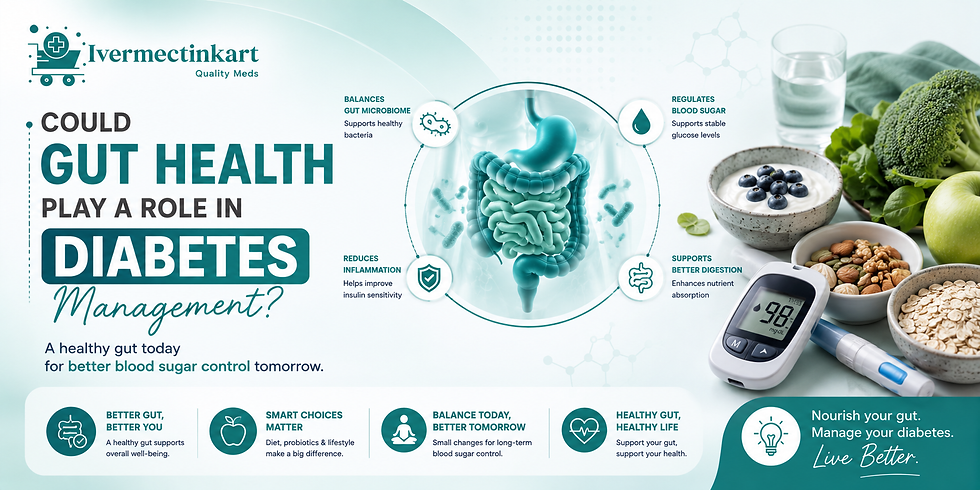
Blood Sugar Control
Maintaining stable blood sugar levels is essential for metabolic health.
Beneficial gut bacteria help:
Improve insulin sensitivity
Reduce inflammation
Support glucose metabolism
Promote healthy hormonal signaling
When the microbiome becomes imbalanced, blood sugar regulation may suffer, increasing the risk of metabolic disorders.
Production of Short-Chain Fatty Acids
Short-chain fatty acids are among the most important compounds produced by healthy gut microbes.
The three primary SCFAs include:
Acetate
Propionate
Butyrate
These compounds help:
Nourish intestinal cells
Reduce inflammation
Improve insulin function
Support energy regulation
Strengthen the gut barrier
Many experts consider SCFAs a critical link between Gut Health and metabolic wellness.
The Gut Microbiome and Weight Management
One of the most studied areas of microbiome research involves obesity and body weight regulation.
Scientists have observed differences between the gut microbiomes of lean and overweight individuals.
While the relationship is complex, several patterns have emerged.
Table: Gut Microbiome Characteristics and Metabolic Effects
Microbiome Factor | Potential Metabolic Impact |
High bacterial diversity | Better metabolic flexibility |
Increased SCFA production | Improved energy regulation |
Balanced microbial populations | Healthier weight management |
Dysbiosis | Greater inflammation |
Low fiber intake | Reduced beneficial bacteria |
Healthy gut barrier | Improved insulin sensitivity |
The gut microbiome appears to influence:
Hunger signals
Food cravings
Fat storage
Energy expenditure
Inflammatory responses
This explains why some researchers now consider the microbiome a key factor in long-term weight management strategies.
Inflammation, Gut Bacteria, and Metabolic Health
Chronic low-grade inflammation is closely associated with metabolic disorders.
When harmful bacteria become dominant, the gut barrier may weaken. This allows unwanted substances to enter the bloodstream, triggering inflammatory responses throughout the body.
Persistent inflammation can contribute to:
Weight gain
Insulin resistance
Cardiovascular issues
Metabolic syndrome
A healthy microbiome helps maintain intestinal integrity and reduce inflammatory activity.
Supporting Microbiome Health may therefore help improve overall metabolic function.
The Gut-Brain-Metabolism Connection
The gut and brain communicate continuously through a complex network known as the gut-brain axis.
Gut bacteria produce neurotransmitters and signaling molecules that influence:
Mood
Appetite
Cravings
Stress responses
Energy balance
For example, certain microbes may affect hormones involved in hunger regulation, such as:
Ghrelin
Leptin
Peptide YY
This means gut bacteria may indirectly shape eating behaviors that impact metabolism.
People experiencing chronic stress often develop changes in gut microbial balance, which can further affect metabolic outcomes.
Diet's Role in Shaping Gut Bacteria
The foods you eat are among the most powerful influences on your gut microbiome.
Different dietary patterns encourage the growth of different bacterial populations.
Foods That Support Beneficial Gut Bacteria
Examples include:
Fruits
Vegetables
Legumes
Whole grains
Nuts
Seeds
These foods contain fiber that nourishes beneficial microbes.
Fiber acts as a prebiotic, providing fuel for bacteria that produce beneficial short-chain fatty acids.
Fermented Foods
Fermented foods may introduce beneficial microorganisms and support microbial diversity.
Examples include:
Yogurt
Kefir
Kimchi
Sauerkraut
Miso
Tempeh
Including these foods regularly may support a healthier gut environment.
Foods That May Disrupt the Microbiome
Certain dietary patterns may negatively affect microbial balance.
Examples include:
Highly processed foods
Excessive added sugars
Low-fiber diets
Frequent ultra-processed meals
These foods may reduce beneficial bacterial populations over time.
Can Probiotics Improve Metabolism?
Probiotics are live microorganisms that may provide health benefits when consumed in adequate amounts.
Researchers continue studying their role in metabolic health.
Potential benefits include:
Improved digestive function
Enhanced microbial diversity
Better gut barrier integrity
Reduced inflammation
However, probiotic effectiveness varies depending on:
Strain type
Dosage
Individual health status
Existing microbiome composition
While probiotics can be useful, they should not replace healthy dietary habits.
A comprehensive approach to Digestive Health remains the most effective strategy.
Lifestyle Factors That Influence Gut Bacteria
Diet is only one piece of the puzzle.
Several lifestyle habits influence the gut microbiome.
Exercise
Regular physical activity has been associated with increased microbial diversity and improved metabolic markers.
Benefits may include:
Better insulin sensitivity
Improved digestion
Reduced inflammation
Sleep
Poor sleep quality can alter microbial balance and negatively affect metabolism.
Adults should prioritize consistent, high-quality sleep whenever possible.
Stress Management
Chronic stress can disrupt beneficial bacterial populations.
Helpful stress-reduction practices include:
Meditation
Deep breathing
Walking
Yoga
Mindfulness exercises
Responsible Antibiotic Use
Antibiotics can be life-saving medications, but unnecessary use may disrupt beneficial bacteria.
Always follow medical guidance regarding antibiotic treatment.
Future Research on Gut Bacteria and Metabolism
The field of microbiome science is advancing rapidly.
Researchers are currently investigating:
Personalized nutrition based on microbiome profiles
Targeted probiotic therapies
Microbiome-based disease prevention
Precision metabolic interventions
Future discoveries may help healthcare professionals develop more individualized strategies for supporting metabolic health.
While many questions remain, the evidence increasingly shows that the gut microbiome plays a meaningful role in human metabolism.
A healthy metabolism isn't influenced only by what you eat—it's also shaped by the trillions of microorganisms that help process every meal.
Conclusion
The relationship between gut bacteria and metabolism is one of the most exciting areas of modern health research. Far from being passive inhabitants, gut microbes actively participate in digestion, nutrient absorption, energy production, inflammation control, and blood sugar regulation.
Supporting Gut Health through a fiber-rich diet, fermented foods, regular exercise, quality sleep, and healthy lifestyle habits may contribute to better metabolic outcomes over time.
As scientists continue to uncover the complexities of the microbiome, one thing is becoming increasingly clear: taking care of your gut may be one of the smartest investments you can make in your overall health and metabolic well-being.
Frequently Asked Questions
FAQ 1: What are gut bacteria?
Gut bacteria are microorganisms that live in the digestive tract and help with digestion, nutrient absorption, immune function, and metabolic processes.
FAQ 2: Can gut bacteria affect weight loss?
Yes. Gut bacteria may influence appetite, calorie extraction, fat storage, and inflammation, all of which can affect weight management.
FAQ 3: What foods improve gut health?
Fiber-rich foods such as fruits, vegetables, legumes, whole grains, and fermented foods are commonly associated with better gut health.
FAQ 4: How does the gut microbiome influence blood sugar?
Beneficial bacteria can help improve insulin sensitivity and support healthy glucose metabolism, contributing to better blood sugar control.
FAQ 5: Are probiotics necessary for everyone?
Not necessarily. Many people can support a healthy microbiome through diet and lifestyle habits alone, although probiotics may be beneficial in certain situations.
FAQ 6: How long does it take to improve gut bacteria?
Positive changes in the gut microbiome can begin within days of dietary improvements, although long-term benefits typically require consistent healthy habits.


Comments